Explore English Better
Explore spelling, word differences, meanings, grammar, usage, slang, texting, idioms, similes, metaphors, and British and American English. Vocabixe makes language easier to understand with clear explanations, useful examples, and practical vocabulary insights for everyday English learning.
Categories
Spelling
Improve spelling with clear guidance, common mistakes, tricky words, and useful examples.
Word Differences
Understand confusing words by exploring their meanings, usage, and key differences.
Word Meanings
Discover clear word meanings, definitions, examples, synonyms, and everyday language usage.
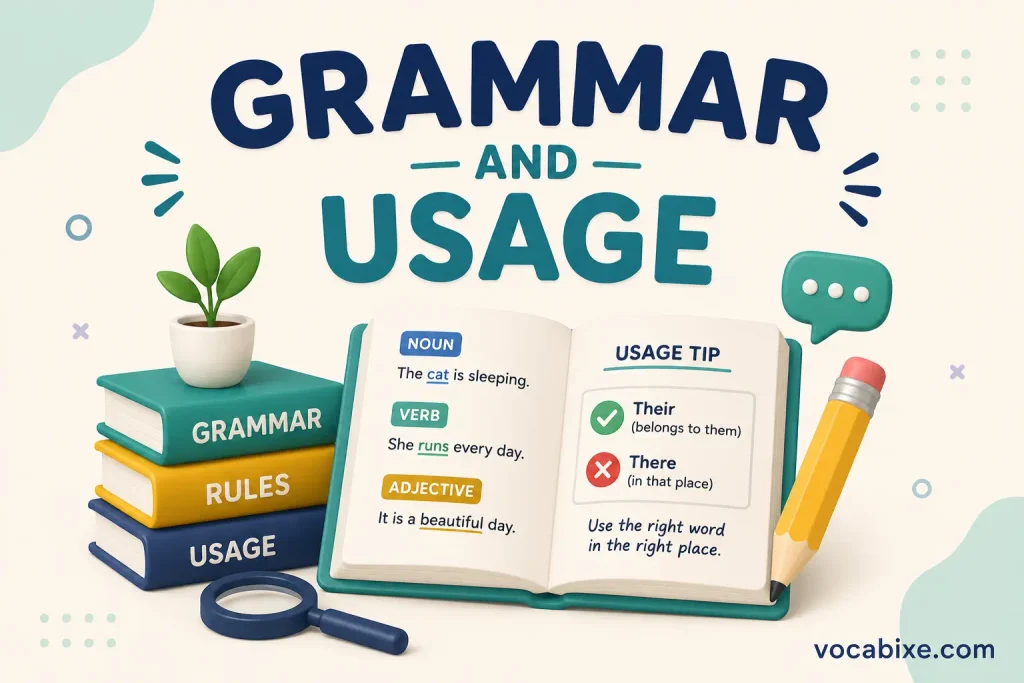
Grammar and Usage
Learn grammar rules, sentence usage, common errors, and practical English examples.

Slang and Texting
Understand modern slang, texting abbreviations, internet expressions, and their everyday meanings.
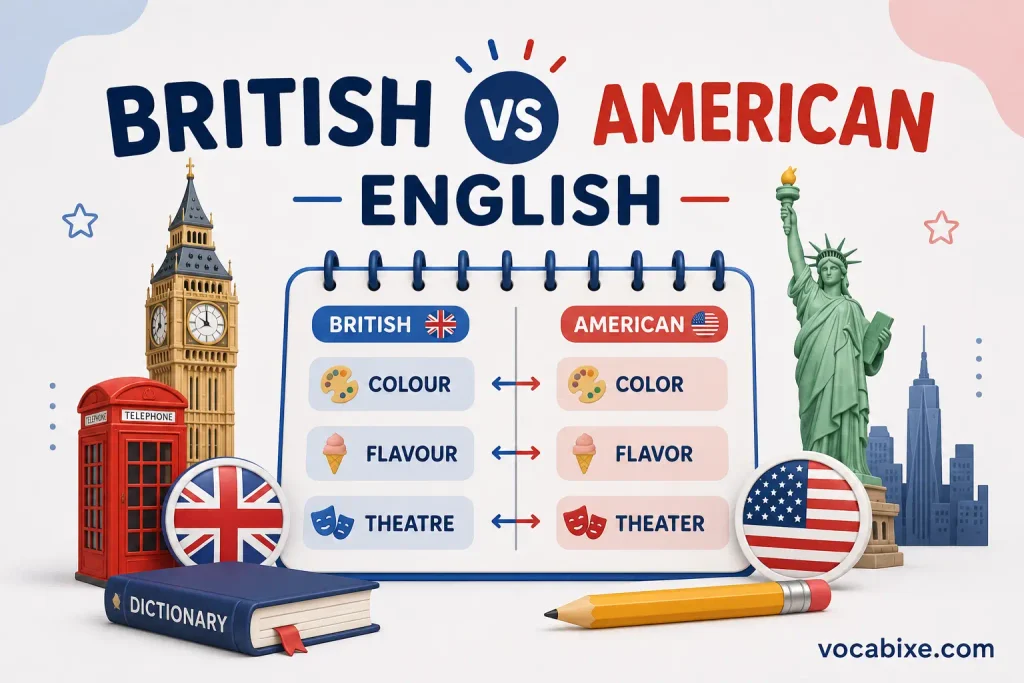
British vs American English
Compare British and American English through spelling, vocabulary, meanings, pronunciation, and usage.
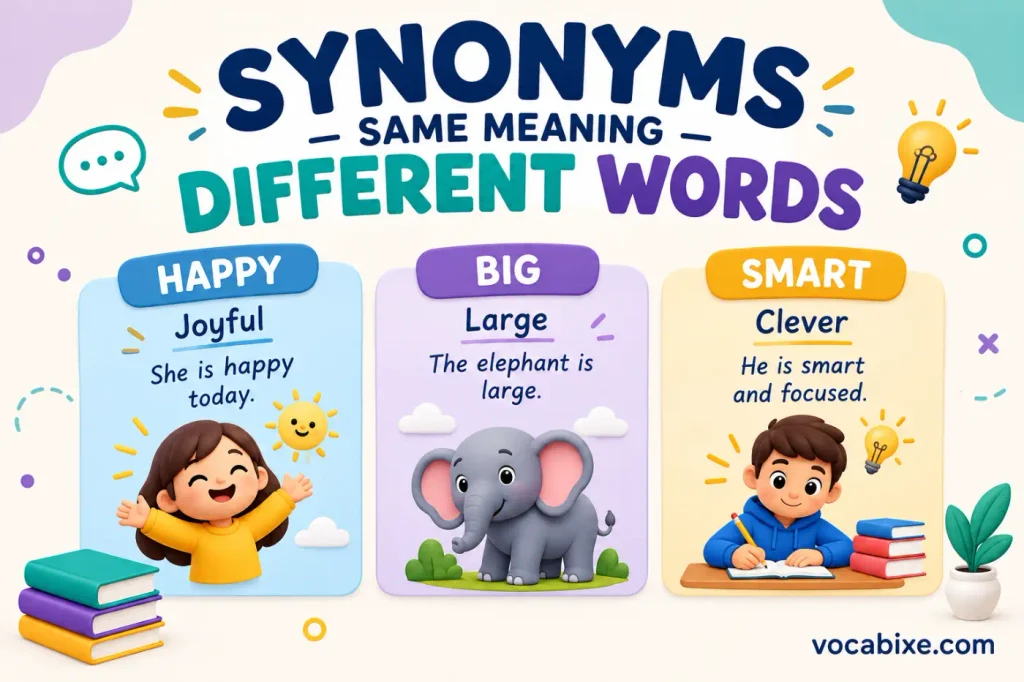
Synonyms
Discover useful synonyms, similar words, simple meanings, and clear examples to improve your English vocabulary.
Others
Explore additional English resources, language insights, useful expressions, and interesting vocabulary discoveries.
Trusted Resources for Better English
Clear Definitions
Useful Examples
Simple Explanations
Common Usage
Practical Vocabulary
Language Insights
Vocabixe: Your Best Guide to English Synonym, Word Difference and Etc
English becomes easier when you understand the meaning of words, recognize spelling patterns, and know how to use expressions correctly. Whether you are a student, a writer, a teacher, or someone learning English, building your vocabulary can help you communicate with greater confidence.
Vocabixe helps readers explore English vocabulary through simple explanations, useful examples, spelling guides, synonyms, and grammar tips. The goal is to make confusing words easier to understand and help readers choose the right words for everyday conversations and written communication.
Explore English Words and Their Meanings
Every English word has a meaning, but some words have several meanings depending on the context. Understanding these differences can help you read more confidently and express your ideas clearly.
For example, the word bright can describe something that gives off a lot of light, such as a bright lamp. It can also describe an intelligent person or a promising future.
Learning words in context is more helpful than memorizing definitions alone. Read example sentences, notice how words appear in everyday situations, and try using new vocabulary in your own writing.
When you encounter an unfamiliar word, consider its meaning, pronunciation, and role in a sentence. These small steps can gradually improve your understanding of English.
Find the Right Synonyms for Your Writing
Synonyms are words that have the same or similar meanings. They can make writing more interesting and help you express ideas more precisely.
For example, happy may be replaced with glad, cheerful, or delighted. However, these words do not always express exactly the same feeling. Someone might feel glad about a small success but delighted by an exciting surprise.
Choosing a synonym requires more than finding a word with a similar definition. You should also consider tone, context, and the message you want to communicate.
Vocabixe makes exploring synonyms easier by helping readers discover alternative words and understand how they can be used in sentences. This can be especially useful when writing essays, emails, stories, articles, and professional messages.
Improve Your Spelling and Avoid Common Mistakes
Spelling mistakes can make otherwise clear writing difficult to read. Some errors happen because words sound similar, while others occur because writers are unsure about letter patterns.
Consider these examples:
- Chief, not cheif: The correct spelling places the i before the e.
- Greatly, not grately: The correct word is greatly, meaning to a large degree.
- Habit, not habbit: The standard spelling contains one b.
- Shiny, not shiney: The correct spelling is shiny.
One useful way to improve spelling is to learn the correct form of a word alongside a sentence. For example, “Reading regularly can greatly improve your vocabulary.”
You can also keep a personal list of words you often misspell. Review the list occasionally and practice writing each word without looking at the answer.
Remember that English spelling includes exceptions. When a spelling rule does not seem to work, checking the word’s standard form can prevent repeated mistakes.
Understand English Grammar and Word Usage
Grammar helps readers understand how words work together to form clear sentences. Even a strong vocabulary may not communicate the intended message if words are used incorrectly.
For example, advice is a noun, while advise is a verb.
- Advice: My teacher gave me useful advice.
- Advise: I advise you to read the instructions carefully.
Another common example is affect and effect. In many everyday sentences, affect is a verb meaning to influence something, while effect is a noun meaning a result.
Correct: Lack of sleep can affect your concentration.
Correct: Lack of sleep can have an effect on your concentration.
Learning these distinctions helps you avoid common grammar errors and communicate more naturally. Focus on one confusing word pair at a time, and write your own examples to remember the difference.
Learn the Difference Between Similar Words
Some English words look or sound alike but have different meanings. These similarities can cause confusion, especially for learners who are still building their vocabulary.
For example, compliment means an expression of praise, while complement describes something that completes or improves another thing.
- She gave me a compliment about my writing.
- This sauce complements the meal.
Similarly, loose means not tight, while lose means to misplace something or fail to win.
- This shirt is too loose.
- Be careful not to lose your keys.
The easiest way to learn confusing word pairs is to compare their meanings and study them in separate sentences. This method helps you recognize which word fits a particular situation.
Build a Stronger English Vocabulary Step by Step
Improving your vocabulary does not require learning hundreds of words in a single day. Regular practice and repeated exposure to useful words can make learning more manageable.
Here are some practical habits to follow:
Read a little every day. Books, articles, stories, and other reading materials expose you to words used in different contexts.
Learn words in sentences. A definition explains a word’s basic meaning, but a sentence shows how people actually use it.
Practice synonyms carefully. Learn the differences between similar words instead of assuming that every synonym can replace the original word.
Review unfamiliar vocabulary. Revisit new words after a few days and try to use them without checking their definitions.
Write your own examples. Creating original sentences helps you remember meanings and understand grammar.
Pay attention to spelling. Notice unusual letter combinations and record words that you frequently confuse.
These habits can support steady progress for beginners and advanced learners alike.
Explore Different Areas of English
English learning involves more than memorizing definitions. Understanding spelling, grammar, word relationships, and everyday expressions can help you become a more effective communicator.
You can focus on several useful areas:
- Word meanings: Understand definitions and learn how context changes meaning.
- Synonyms: Discover alternative words and choose expressions that fit your message.
- Spelling: Recognize correct spellings and avoid common writing errors.
- Word differences: Compare confusing words and learn when to use each one.
- Grammar and usage: Build clear sentences and understand how words function.
- Idioms and expressions: Learn phrases whose meanings may differ from the literal meanings of their words.
- Slang and texting: Understand informal expressions used in casual conversations.
- British and American English: Recognize differences in spelling, vocabulary, and common usage.
Studying these areas together gives you a more complete understanding of the language. You can begin with the topics that cause you the most difficulty and expand your learning as your confidence grows.
Why Understanding Words Matters
Words shape how we share information, explain ideas, and connect with other people. A clear understanding of vocabulary can improve school assignments, workplace communication, creative writing, and everyday conversations.
1. For students, vocabulary knowledge can make reading comprehension and written answers easier.
2. For writers, a wider range of words provides more options for describing experiences and explaining complex ideas.
3. For English learners, understanding common expressions can make conversations less confusing.
However, using complicated words is not always the best choice. Clear communication usually depends on choosing words that express the intended meaning accurately. A simple, well-written sentence is often more effective than a sentence filled with unfamiliar vocabulary.
The goal is not simply to learn more words. It is to understand their meanings, recognize their differences, and use them appropriately.
Start Improving Your English Today
Learning English is a gradual process. You may occasionally confuse similar words, forget a spelling rule, or struggle to find the right expression. These challenges are normal parts of learning.
The key is to keep practicing, ask questions when a word seems confusing, and review what you learn. Over time, small improvements can lead to clearer writing and greater confidence.
Vocabixe brings together vocabulary explanations, spelling guidance, synonyms, word comparisons, and grammar lessons to support readers as they develop their English skills. Explore the topics that interest you, practice with examples, and build your understanding one word at a time.
FAQs
What is Vocabixe?
Vocabixe is a website focused on English vocabulary, word meanings, synonyms, spelling, grammar, and word usage. It aims to explain language topics in a clear and accessible way.
How can I improve my English vocabulary?
Read regularly, learn unfamiliar words in context, review their meanings, and practice using them in your own sentences. Consistent practice is more useful than trying to memorize too many words at once.
Why should I learn synonyms?
Synonyms can help you express ideas more precisely, reduce unnecessary repetition, and make your writing more varied. Always check the context because similar words may have different tones or uses.
How can I avoid common spelling mistakes?
Learn the correct spelling of frequently confused words, read examples, and maintain a list of your personal spelling mistakes. Review the list regularly to reinforce what you have learned.
Why is grammar important?
Grammar helps you arrange words correctly so readers can understand your intended meaning. Learning common grammar patterns also makes writing and speaking clearer.
Can beginners benefit from vocabulary lessons?
Yes. Beginners can start with everyday words, simple definitions, and short example sentences. As their knowledge grows, they can explore more advanced vocabulary and confusing word pairs.